First Flush & Dr. Flush™ Service
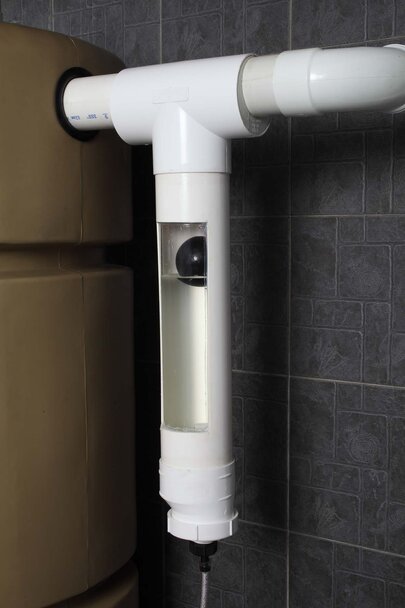
Diverter cleared, media checked, drain-down confirmed. The first line of defense on water quality, and the component most often found bypassed.
The short answer
A first flush diverter should be cleared quarterly. It captures the first and dirtiest water off the roof before it reaches storage, so once it clogs or is bypassed, everything it was meant to stop goes into the tank. Debris load is seasonal, which is why the interval is quarterly rather than annual.
The first flush is the cheapest component in the system and the one that determines how hard everything downstream has to work. When we find heavy sediment in a tank, an undersized or bypassed diverter is almost always the reason.
Before you call
The diverter is the easiest component to check yourself, and the one most worth checking.
It should be empty before the next storm. A diverter that stays full has a blocked drain and is doing nothing at all.
Heavy cedar or oak means a quarterly interval is a floor, not a target. Open pasture properties can often stretch it.
Torn or missing screens are common and cheap to fix. If leaves are reaching the tank, start there.
How we diagnose it
Diverter problems show up downstream rather than at the diverter itself.
| What you're seeing | Usual cause | What it takes to fix |
|---|---|---|
| Diverter always full | Drain outlet clogged | Clear the drain and check the release rate. |
| Filters loading fast after rain | Diverter undersized for the roof area | Re-size the diverter to the catchment. |
| Heavy sediment in the tank | Diverter bypassed or non-functional | Restore or replace the diverter, then assess tank sediment. |
| Debris visible in the tank | Torn or missing inlet screen | Screen replacement upstream of the tank. |
| Diverter never fills | Gutter blockage or misrouted downpipe | Trace the conveyance from the roof down. |
| Overflow running during light rain | Diverter stuck open | Free or replace the float and seal. |
The visit
Chamber emptied, drain outlet cleared, and release rate checked so it empties fully before the next rain event.
Where the unit uses media or a float seal, both get checked for fouling and correct seating.
We compare the diverter volume to your actual catchment area. Undersizing is the most common reason filters load fast after storms.
Inlet and leaf screens inspected, gutters and downpipes traced for blockage on the way to the tank.
Equipment
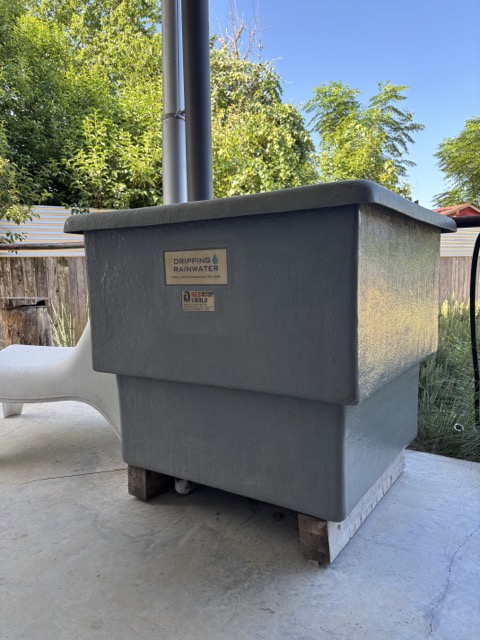
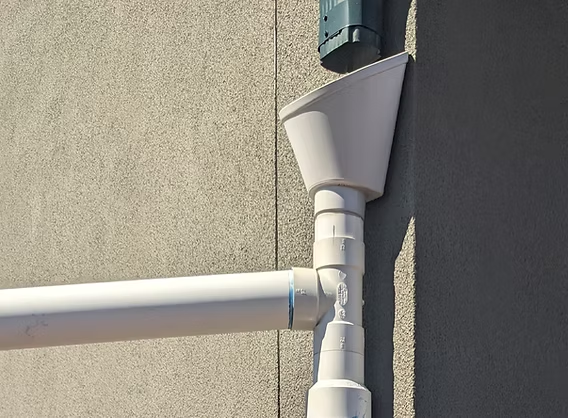
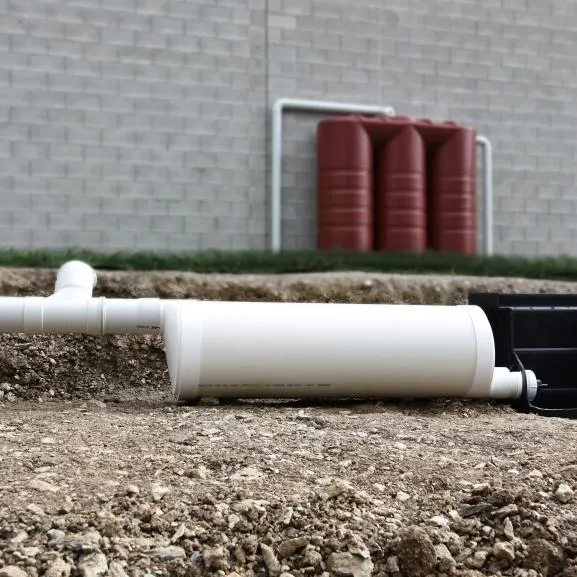
We service every diverter type we encounter, including our own Dr. Flush units and standard hanging and inline diverters from other builders.
Related
FAQ
Yes. We service rainwater systems regardless of age, brand, or who built them — concrete cisterns, poly tanks, twenty-year-old fiberglass, all of it. If the original installer is out of business or unresponsive, that is the most common reason people call us.
A standalone service visit is billed as a trip charge plus parts and labor. Annual plan customers pay a flat yearly rate with consumables included, which works out lower than paying per visit if you need service more than twice a year.
Start with a system assessment. We inspect the whole system, tell you what has failed, what is marginal, and what is fine, and give you a written report with a cost to bring it current. There is no judgment in it — plenty of systems go years between visits.