Tank & Screen Inspection
Sediment depth measured, inlet and overflow screens checked, liner, seals, and fittings inspected. Tank condition sets the workload for every stage downstream.
The short answer
A rainwater tank should be inspected annually. The inspection measures sediment depth, checks inlet and overflow screens for tears, and examines liner, seals, and fittings. Sediment depth and screen integrity determine what reaches your filters, so tank condition sets the workload for every stage downstream.
Sediment depth is the number worth tracking year over year. A tank accumulating quickly is telling you something about the diverter and screens upstream, not about the tank itself.
Before you call
Before assuming a leak, three checks that account for most of these calls.
Compare it against what you'd expect from recent rain. A gauge that hasn't moved after a storm is either stuck or telling you the water never arrived.
Damp ground on the uphill side of a tank pad is worth a call. Slow leaks undermine the pad long before they become obvious.
New irrigation, extra people in the house, or a leaking toilet will empty a tank faster than any fault in the system.
How we diagnose it
What you can see from outside the tank usually points at what's happening inside it.
| What you're seeing | Usual cause | What it takes to fix |
|---|---|---|
| Sediment accumulating quickly | Diverter or screens not doing their job | Correct upstream first, then assess whether the tank needs cleaning. |
| Tank draining faster than expected | Leak, or usage exceeding catchment yield | Pressure-test the outlet, then run the numbers on roof area against demand. |
| Debris or insects in the tank | Torn, missing, or unsealed screens | Screen replacement at inlet and overflow. |
| Water at the tank base | Fitting, seal, or liner failure | Locate and repair. Left alone it will undermine the pad. |
| Overflow discharging at the pad | Overflow not routed away | Extend and redirect. A full tank in a downpour moves a lot of water. |
| Level gauge reading wrong | Fouled or stuck float | Clean or replace the gauge assembly. |
The visit
We take an actual measurement rather than a look, so you have a number to compare against next year.
Checked for tears, gaps, and correct seating. These are the cheapest components in the system and the first line of defense.
Visual inspection of the interior where access allows, plus every penetration, fitting, and seal from outside.
Where the overflow discharges, and whether it's undermining the pad or running toward a foundation.
Equipment
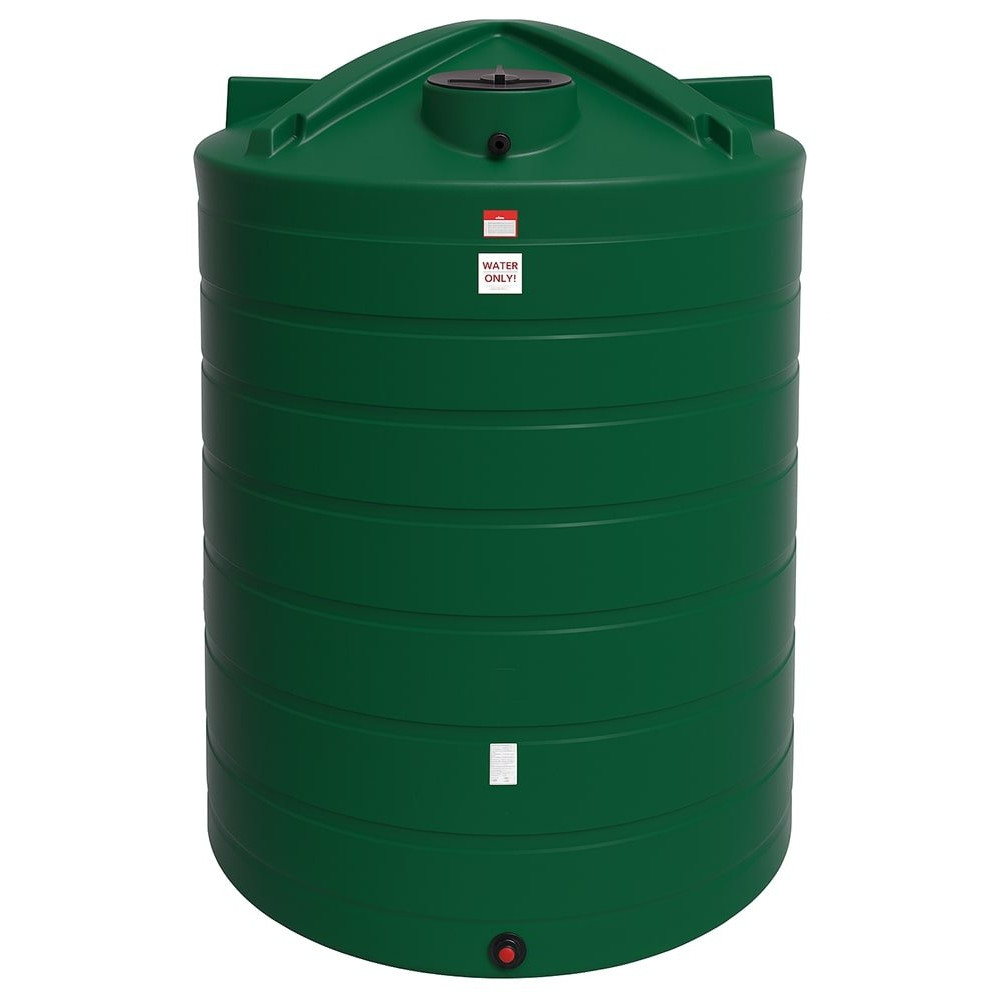
Tank type changes the inspection, not whether we'll do it. Confined-space work has its own requirements, so tell us what you have when you book.




Related
FAQ
Yes. Access and inspection differ from an above-ground steel tank, and confined-space work has its own requirements, so mention the tank type when you call so we schedule the right amount of time.
It can. Check the level gauge first. If the tank is genuinely low, the issue is not the pump — it is supply, and that is a catchment and storage conversation.
Start with a system assessment. We inspect the whole system, tell you what has failed, what is marginal, and what is fine, and give you a written report with a cost to bring it current. There is no judgment in it — plenty of systems go years between visits.
Yes. We service rainwater systems regardless of age, brand, or who built them — concrete cisterns, poly tanks, twenty-year-old fiberglass, all of it. If the original installer is out of business or unresponsive, that is the most common reason people call us.